Berryvive Wellness

“Vibrant Living Through Smart Nutrition.”

  • Protein is one of the most important nutrients our body needs every day. It helps build muscles, supports immunity, keeps you fuller for longer, and even helps in weight management!

    ✅ Your simple goal for today: Make sure every meal—breakfast, lunch, and dinner—has at least one good source of protein.

    Here are some easy options to include:

    Breakfast: Eggs, milk, Greek yogurt, paneer, protein shake Lunch: Dal, chana, chicken, fish, tofu, sprouts Dinner: Moong dal, curd, soy chunks, egg curry, grilled paneer

    💡 Tip: Even snacks can have protein! Try roasted chana, boiled eggs, or a handful of nuts.

    Making this one small change daily can lead to better energy, less cravings, and improved health.

  • Did you know your gut and brain are constantly talking to each other? This powerful connection—called the gut-brain axis—means what you eat doesn’t just affect your body, but also your mood, focus, and emotional health.

    Your gut is home to trillions of microbes that produce neurotransmitters like serotonin and dopamine, the very chemicals that make you feel happy and calm. In fact, nearly 90% of serotonin is produced in the gut! When your gut microbiome is healthy, it supports a balanced mind. But when it’s disrupted—due to processed foods, stress, or poor sleep—you may experience anxiety, brain fog, or low mood.

    Here’s how you can nourish your gut for a happier mind:

    🥦 Eat more fiber-rich foods like fruits, vegetables, whole grains, and legumes—they feed good bacteria.

    🥛 Include probiotics such as curd, kefir, or fermented foods to boost gut diversity.

    🥑 Choose healthy fats (nuts, seeds, olive oil) to reduce inflammation.

    💧 Stay hydrated and manage stress—both are key for gut balance.

    Remember, a healthy gut means a happier you!

    Start with one mindful meal today—your brain will thank you. 🌿

  • Did you know your gut isn’t just about digestion—it’s actually your body’s control center for hormones, mood, and metabolism? 🤔

    Yes, your gut and hormones are deeply connected. A healthy gut can make your hormones work for you, not against you—especially if you’re dealing with PCOS, thyroid issues, or hormonal imbalance.

    🦠 The Gut–Hormone Connection

    Your gut is home to trillions of microbes that influence how your body produces, regulates, and detoxifies hormones. When your gut is out of balance (a condition called dysbiosis), it can:

    Increase inflammation Disrupt insulin sensitivity Interfere with thyroid function Affect how estrogen is broken down

    All of these can worsen symptoms of PCOS, thyroid problems, and hormonal acne, fatigue, or irregular cycles.

    💪 Gut Health & PCOS

    In PCOS, insulin resistance and inflammation play a major role.

    A healthy gut helps by:

    Improving insulin sensitivity Reducing bloating and sugar cravings Supporting better ovulation and regular periods

    🧠 Gut Health & Thyroid

    Your thyroid hormones rely on your gut for proper conversion and absorption.

    Around 20% of the inactive thyroid hormone (T4) is converted to active T3 in your gut. An unhealthy gut can slow this conversion, leading to low energy, hair fall, and weight gain.

    ⚖️ Gut Health & Overall Hormones

    The gut microbiome includes something called the estrobolome—a group of bacteria that help metabolize estrogen.

    When this balance is off, estrogen may accumulate, leading to symptoms like:

    PMS Mood swings Weight gain around hips and thighs

    🌱 How to Heal Your Gut Naturally

    Here are simple ways to support your gut—and in turn, your hormones:

    Eat real, fiber-rich foods – fruits, vegetables, whole grains, and fermented foods. Add probiotics & prebiotics – like curd, kefir, kimchi, banana, garlic, and flaxseeds. Reduce processed foods & sugar. Stay hydrated and manage stress. Sleep 7–8 hours regularly.

    💬 Final Thoughts

    Your gut is the foundation of your hormonal balance. When you nourish it, your energy improves, mood lifts, skin clears up, and cycles become regular—naturally.

    So, the next time you focus on PCOS or thyroid management, start with your gut health. Because healing truly begins from within. 💚

    ✨ Berryvive Wellness

    Vibrant Living Through Smart Nutrition

    📩 berryvive20@gmail.com | 📱 @berryvive_wellness

  • Artificial sweeteners may seem like a quick fix for cutting calories or managing sugar intake, but they’re not as harmless as they appear. Studies suggest that regular use of these sugar substitutes can disrupt gut health, increase cravings, and even affect blood sugar control in the long run.

    Instead of reaching for those zero-calorie packets, choose natural options like fruits, dates, honey, or jaggery in moderation. These not only satisfy your sweet tooth but also provide trace nutrients and keep your body in balance.

    Small swaps today can protect your health tomorrow. Skip the artificial, stay natural!

  • Looking for a simple way to support digestion after meals? Try sipping on a warm glass of cinnamon water or a soothing cup of herbal tea.

    Cinnamon is packed with antioxidants and has natural anti-inflammatory properties. It may help regulate blood sugar, reduce bloating, and support a healthy metabolism. Herbal teas like peppermint, ginger, or chamomile can calm the stomach, ease indigestion, and leave you feeling light and refreshed.

    Instead of reaching for sugary drinks, this small ritual can become a mindful way to care for your gut and overall health. 🌿✨

  • Your gut health is the foundation of your overall well-being. From digestion and nutrient absorption to immunity and even mood regulation, your gut plays a much bigger role than most people realize. Yet, many everyday habits silently harm your digestive system and disrupt the balance of healthy gut bacteria.

    Here are the top 5 worst habits that damage your gut daily—and what you can do instead.

    1. Overeating Processed & Junk Foods

    Chips, fried snacks, refined carbs, and sugary treats may be tempting, but they starve your good gut bacteria and feed harmful microbes. Over time, this can lead to bloating, poor digestion, inflammation, and even a weakened immune system.

    What to do instead: Choose whole foods—fresh fruits, vegetables, whole grains, legumes, nuts, and seeds—to nourish your gut microbiome.

    2. Skipping Meals or Eating at Odd Hours

    Irregular eating patterns confuse your digestive system. Skipping meals or eating late at night can lead to indigestion, acidity, and poor nutrient absorption.

    What to do instead: Try to eat meals at consistent times each day to support your natural digestive rhythm.

    3. Overusing Antibiotics & Painkillers

    While sometimes necessary, frequent use of antibiotics wipes out both harmful and beneficial bacteria. Similarly, excessive use of painkillers (like NSAIDs) can irritate the gut lining, increasing the risk of ulcers and leaky gut.

    What to do instead: Only use antibiotics when prescribed by your doctor. Support recovery with probiotic-rich foods like yogurt, kefir, or fermented vegetables.

    4. High Stress & Lack of Sleep

    Stress doesn’t just affect your mind—it directly impacts your gut. Chronic stress and poor sleep disrupt digestion, slow metabolism, and alter the balance of gut bacteria.

    What to do instead: Practice stress management—yoga, meditation, deep breathing, or simply going for a walk. Aim for 7–8 hours of quality sleep.

    5. Low Fiber & Water Intake

    Fiber feeds your healthy gut bacteria and helps maintain smooth bowel movements. Without enough fiber and water, you risk constipation, gas, and an unhealthy gut environment.

    What to do instead: Add fiber-rich foods (vegetables, fruits, beans, oats, flaxseeds) and drink at least 7–8 glasses of water daily.

    🌱 Final Thoughts

    Your gut health is in your hands. By avoiding these damaging habits and embracing small, consistent changes, you can restore balance, improve digestion, and feel more energetic every day. Remember—nourishing your gut means nourishing your entire body.

  • When you crave something refreshing, it’s easy to reach for fruit juices or packaged smoothies loaded with hidden sugars. But a smarter choice is making your own no-sugar-added smoothie—packed with protein and fiber that keeps you fuller for longer and stabilizes your energy levels.

    Why go sugar-free?

    Added sugar causes quick spikes and crashes in blood sugar, leaving you tired and craving more sweets. By skipping it, you support steady energy, better digestion, and overall health.

    🥤 What makes it filling?

    Protein: Greek yogurt, milk, or a scoop of protein powder helps with muscle repair and satiety. Fiber: Fruits like berries, chia seeds, flax seeds, or oats slow down digestion and improve gut health.

    💡 Quick Recipe Idea:

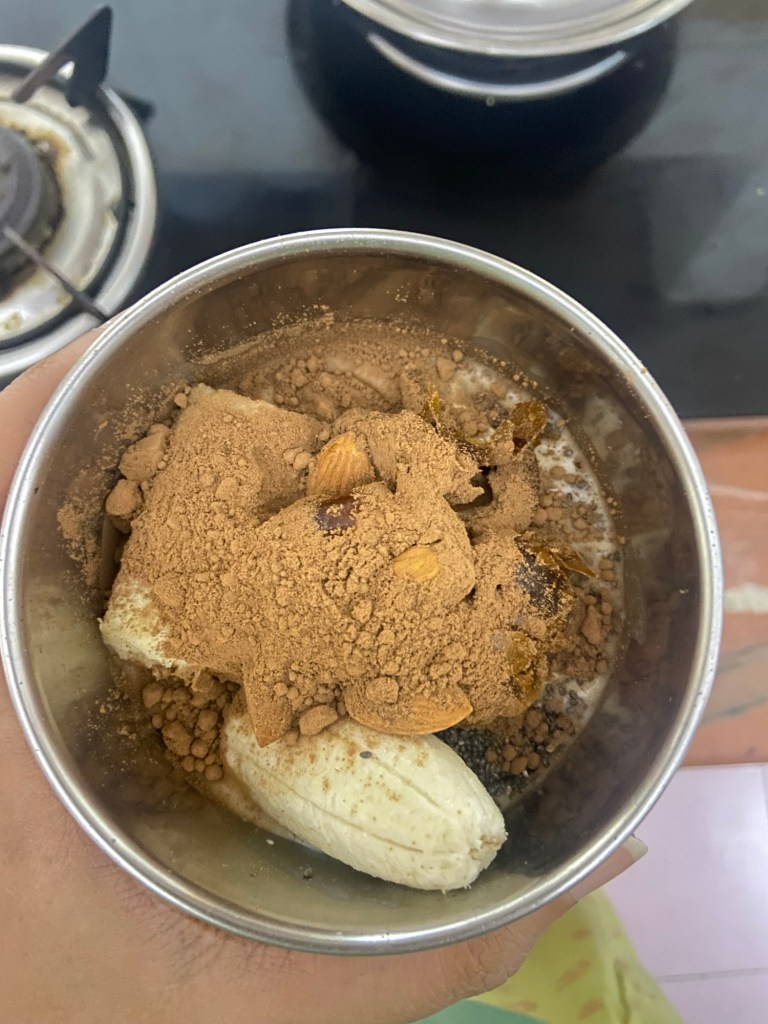
    ½ cup unsweetened Greek yogurt ½ cup frozen berries 1 tbsp chia seeds or flaxseeds ½ cup unsweetened almond milk (or milk of choice) Optional: A handful of spinach for extra nutrients

    Blend until smooth—and enjoy a naturally sweet, creamy drink without the sugar crash!

    👉 Tip: If you like it sweeter, add a small date or a pinch of cinnamon instead of sugar.

  • Starting a workout routine can feel overwhelming—especially if you’ve been inactive or are carrying extra weight. But the good news is: you don’t need a fancy gym membership or intense workouts to begin. What matters most is taking the first step and building consistency.

    1. Start Small and Simple

    Don’t jump into intense workouts right away. Begin with low-impact activities like walking, stationary cycling, or gentle stretching. Even 10–15 minutes a day can make a huge difference.

    2. Focus on Movement, Not Perfection

    Your goal isn’t to burn out—it’s to build a habit. Celebrate any movement, whether it’s walking to the market, climbing stairs, or dancing at home.

    3. Strength Matters Too

    Simple bodyweight exercises (like wall push-ups, sit-to-stand from a chair, or modified planks) help strengthen your muscles and joints, making daily activities easier.

    4. Listen to Your Body

    Start slow, and pay attention to how your body feels. A little soreness is normal, but sharp pain or exhaustion is not. Rest when needed.

    5. Pair Exercise with Lifestyle Changes

    Better sleep, mindful eating, and proper hydration all work together with exercise to help you feel more energetic and balanced.

    6. Find Support & Stay Consistent

    A workout buddy, an online community, or guidance from a professional can keep you motivated. Remember: progress is progress—no matter how small.

    💡 Pro Tip: Instead of focusing only on weight loss, set goals like “I’ll walk for 20 minutes, 4 days a week.” These are easier to achieve and keep you motivated long term.

  • When we think about mental health, we often focus on the brain alone. But science now shows that our gut and brain are deeply connected through what’s called the gut-brain axis—a two-way communication system linking the digestive system with the central nervous system. Surprisingly, what you eat doesn’t just affect your body—it can shape your mood, memory, and even how you think.

    What Is the Gut-Brain Axis?

    The gut is often called our “second brain” because it has its own network of neurons known as the enteric nervous system. This system talks directly with the brain through the vagus nerve and chemical messengers like neurotransmitters and hormones.

    For example:

    About 90% of serotonin (the “feel-good hormone”) is produced in the gut. Gut microbes produce chemicals like GABA and dopamine, which influence stress levels and mood.

    This means that a healthy gut doesn’t just support digestion—it also supports mental clarity and emotional well-being.

    How Food Influences the Gut-Brain Connection

    1. Probiotics and Fermented Foods

    Yogurt, kefir, kimchi, sauerkraut, and kombucha are rich in probiotics. These beneficial bacteria improve gut diversity, which has been linked to reduced anxiety and better mood stability.

    2. Prebiotics: Food for Your Gut Microbes

    Fiber-rich foods like bananas, oats, garlic, onions, and legumes feed good bacteria. A thriving gut microbiome helps regulate inflammation and improves stress resilience.

    3. Omega-3 Fatty Acids

    Found in fatty fish, walnuts, and flaxseeds, omega-3s reduce inflammation and support cognitive function and emotional balance.

    4. Antioxidant-Rich Foods

    Colorful fruits, vegetables, green tea, and dark chocolate protect brain cells from oxidative stress and help keep your thoughts sharp.

    5. Limiting Sugar and Processed Foods

    A high-sugar, ultra-processed diet can fuel harmful gut bacteria and lead to brain fog, low energy, and mood swings.

    Gut Health and Mental Well-Being

    Research links gut health imbalances (like dysbiosis or “leaky gut”) to depression, anxiety, and even memory issues. Improving your gut microbiome through diet can help you feel calmer, more focused, and emotionally resilient.

    Simple Steps to Support Your Gut-Brain Axis

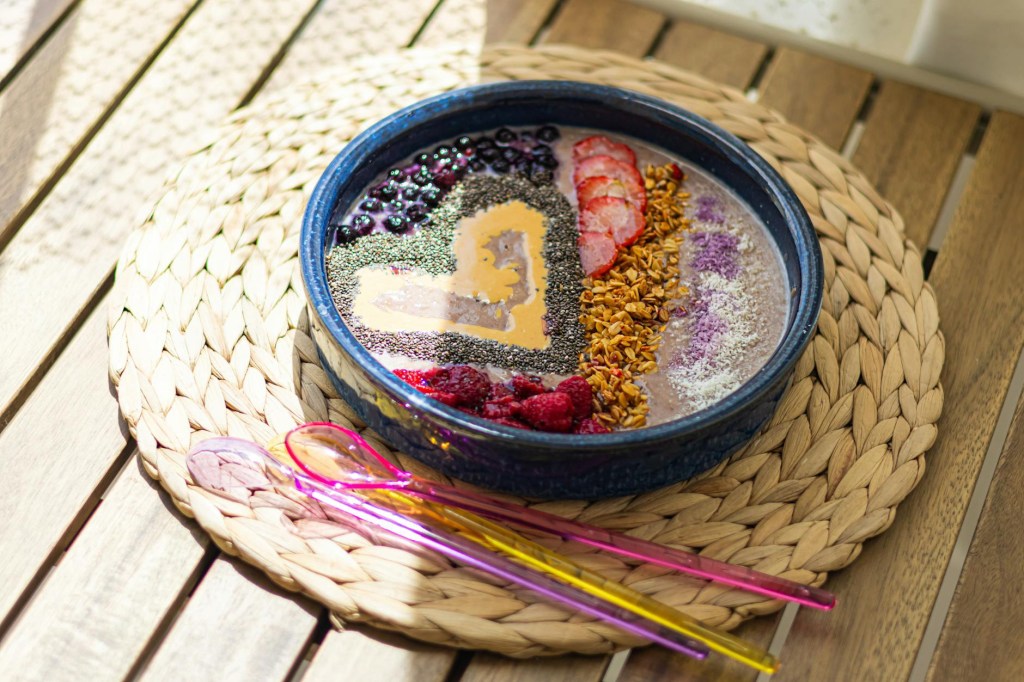
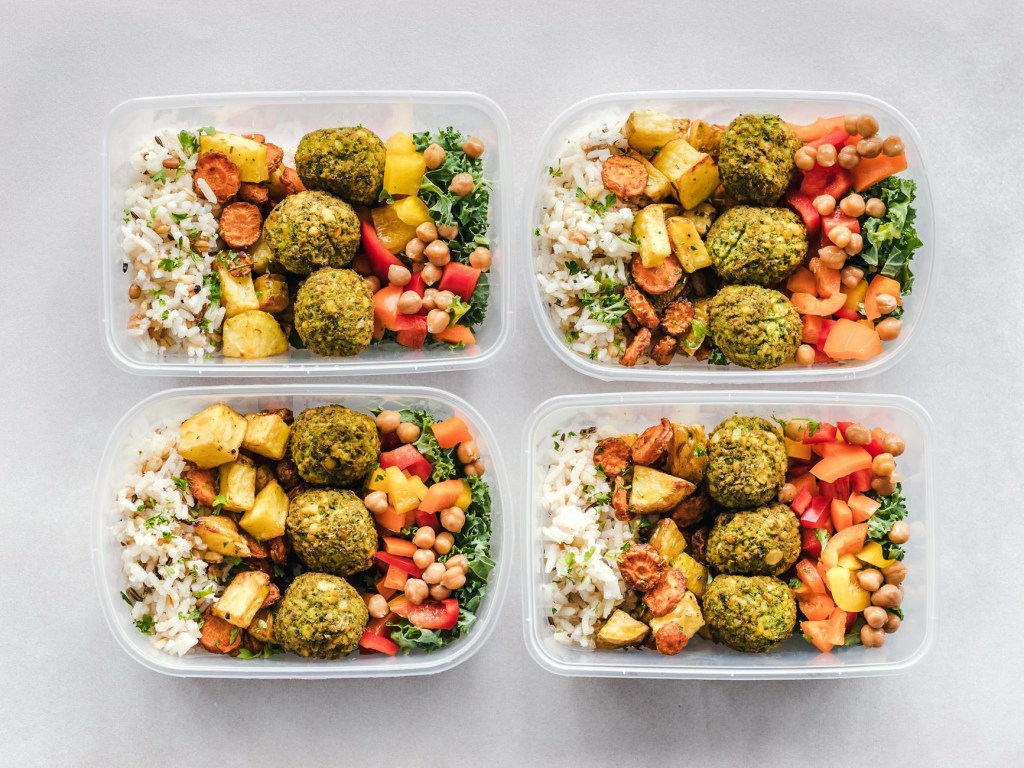
    Add at least one fermented food to your daily meals. Prioritize fiber-rich vegetables, fruits, and whole grains. Stay hydrated to support digestion and brain function. Limit processed foods and refined sugar. Practice mindful eating—chewing slowly and avoiding stress while eating helps digestion and absorption.

    Final Thoughts

    The phrase “you are what you eat” now has a deeper meaning—your food directly affects how you think and feel. By nurturing your gut through mindful eating and balanced nutrition, you also nurture your brain, paving the way for better focus, stable moods, and overall well-being.
  • When we think of “fitness,” most of us picture workouts—lifting weights, running, or hitting the gym. But here’s the truth: your health isn’t shaped only by your exercise sessions, it’s shaped by how much you move throughout the day.

    💡 Movement ≠ Exercise

    Exercise is a planned activity (like a workout). Movement is everything else—walking, stretching, climbing stairs, gardening, dancing, or even standing up often.

    Research shows that even if you exercise for 1 hour daily, sitting for the remaining 10–12 hours can still harm your health. Movement in small bursts keeps your blood flowing, joints flexible, and metabolism active.

    Why Daily Movement Matters

    Boosts energy and reduces fatigue Improves digestion and circulation Supports joint health and posture Enhances mood and reduces stress Prevents long sitting-related risks (like diabetes and heart disease)

    🚶 Simple Ways to Add More Movement

    Take the stairs instead of the lift Walk while talking on the phone Stretch every 1–2 hours if you sit at a desk Do household chores with more enthusiasm Park your vehicle a little farther and walk Play, dance, or move with your kids/pets

    🌿 Takeaway: Exercise is important, but daily movement is what keeps your body truly alive and healthy. So don’t just focus on your 30–60 minutes of workouts—find ways to move more throughout the day.

    Your body will thank you in the long run! 💚

  • Gut health is at the center of our overall well-being. From digestion and immunity to mood and metabolism, the trillions of microbes living in your intestines play a powerful role. You’ve probably heard of probiotics and prebiotics—two buzzwords in nutrition. But what’s the difference, and which one does your gut really need?

    Let’s break it down in simple terms.

    What Are Probiotics?

    Probiotics are live beneficial bacteria that add to the population of good microbes in your gut.

    Think of them as the “good guys” that keep your digestive system balanced.

    Common Sources of Probiotics:

    Yogurt with live cultures

    Kefir

    Kimchi

    Sauerkraut

    Miso

    Kombucha

    Benefits of Probiotics:

    Restore healthy gut flora after antibiotics

    Reduce bloating, gas, and digestive discomfort

    Boost immunity by crowding out harmful bacteria

    May improve skin health and mood

    What Are Prebiotics?

    Prebiotics are non-digestible fibers that feed the good bacteria already living in your gut.

    Think of them as “fertilizer” that helps probiotics grow and thrive.

    Common Sources of Prebiotics:

    Garlic

    Onion

    Bananas (especially slightly green ones)

    Oats

    Apples

    Asparagus

    Flaxseeds

    Benefits of Prebiotics:

    Promote growth of healthy bacteria

    Improve digestion and regular bowel movements

    Enhance mineral absorption (like calcium and magnesium)

    Support better blood sugar balance

    Probiotics vs Prebiotics: The Key Difference

    Probiotics = The actual beneficial bacteria you introduce into your gut.

    Prebiotics = The food for those bacteria to stay alive and active.

    In simple words: Probiotics are like planting seeds, while prebiotics are like watering and nourishing the soil.

    Do You Need Both?

    Yes! For optimal gut health, you need a combination of both:

    Without prebiotics, probiotics can’t survive for long. Without probiotics, prebiotics don’t have much effect.

    This combo is called synbiotics—a powerful pairing for gut health.

    How to Add Them to Your Diet

    Start your day with oats + banana + yogurt (prebiotic + probiotic).

    Add fermented foods like kimchi or pickles alongside meals.

    Snack on apple slices with flaxseeds.

    Drink buttermilk or kefir after lunch.

    Final Takeaway

    Your gut doesn’t need you to choose between probiotics and prebiotics—it needs both working together. By adding a variety of fermented foods and fiber-rich plant foods to your daily diet, you can naturally nourish your microbiome and unlock better digestion, immunity, and overall health.

    Happy Gut = Happy You!